Over 60 percent of British landlords say post-tenancy cleaning is their single biggest time drain between leases. For anyone managing rental properties, the pressure to meet strict cleanliness expectations is intense and overlooking one detail can mean costly disputes or delays. This guide breaks down smart, step-by-step cleaning strategies that help British property managers transform even the toughest student or family rental back to move-in ready condition with confidence.
Table of Contents
- 1. Evaluate The Condition Of The Property First
- 2. Prioritise High-Traffic Areas And Entryways
- 3. Deep Clean Kitchens And Appliances Thoroughly
- 4. Sanitise Bathrooms And Replace Consumables
- 5. Restore Carpets, Flooring And Upholstery
- 6. Address Walls, Doors, Fixtures And Light Fittings
- 7. Complete A Detailed Final Inspection Checklist
Quick Summary
| Takeaway | Explanation |
|---|---|
| 1. Evaluate Property Condition First | Conduct a thorough assessment to identify damage and cleaning needs before starting. This ensures targeted and effective cleaning efforts. |
| 2. Focus on High-Traffic Areas | Prioritise cleaning entryways and corridors as they accumulate the most dirt and wear. This improves overall aesthetics and longevity of surfaces. |
| 3. Deep Clean Kitchen Appliances | Thoroughly sanitise kitchen surfaces and appliances to ensure a hygienic environment for new tenants. This includes cleaning ovens, fridges, and countertops. |
| 4. Sanitise and Replace Bathroom Consumables | Disinfect all bathroom surfaces, and replace items like toilet paper and soap dispensers to enhance tenant satisfaction and hygiene. |
| 5. Complete a Final Inspection Checklist | Perform a structured final inspection to ensure no areas are missed and document the cleaning standards achieved for accountability. |
1. Evaluate the Condition of the Property First
Before diving into post-tenancy cleaning, understanding the property’s current state is your strategic starting point. Comprehensive property assessment helps identify areas requiring special attention, ensuring you tackle cleaning with precision and efficiency.
Think of this initial evaluation as your cleaning roadmap. Start by walking through the entire property systematically, documenting existing wear and tear, potential damage zones, and high-traffic areas. Take detailed notes or photographs to create a clear baseline of the property’s condition. Focus on key inspection areas such as:
- Wall surfaces and paintwork
- Flooring conditions
- Bathroom and kitchen fixtures
- Window and door frames
- Carpet and upholstery integrity
Your goal is to differentiate between standard wear and actual damage. This approach prevents potential disputes with tenants and helps you develop a targeted cleaning strategy. Look for subtle signs like scuff marks, minor wall dings, carpet stains, or accumulated grime in corners and hard-to-reach spaces.
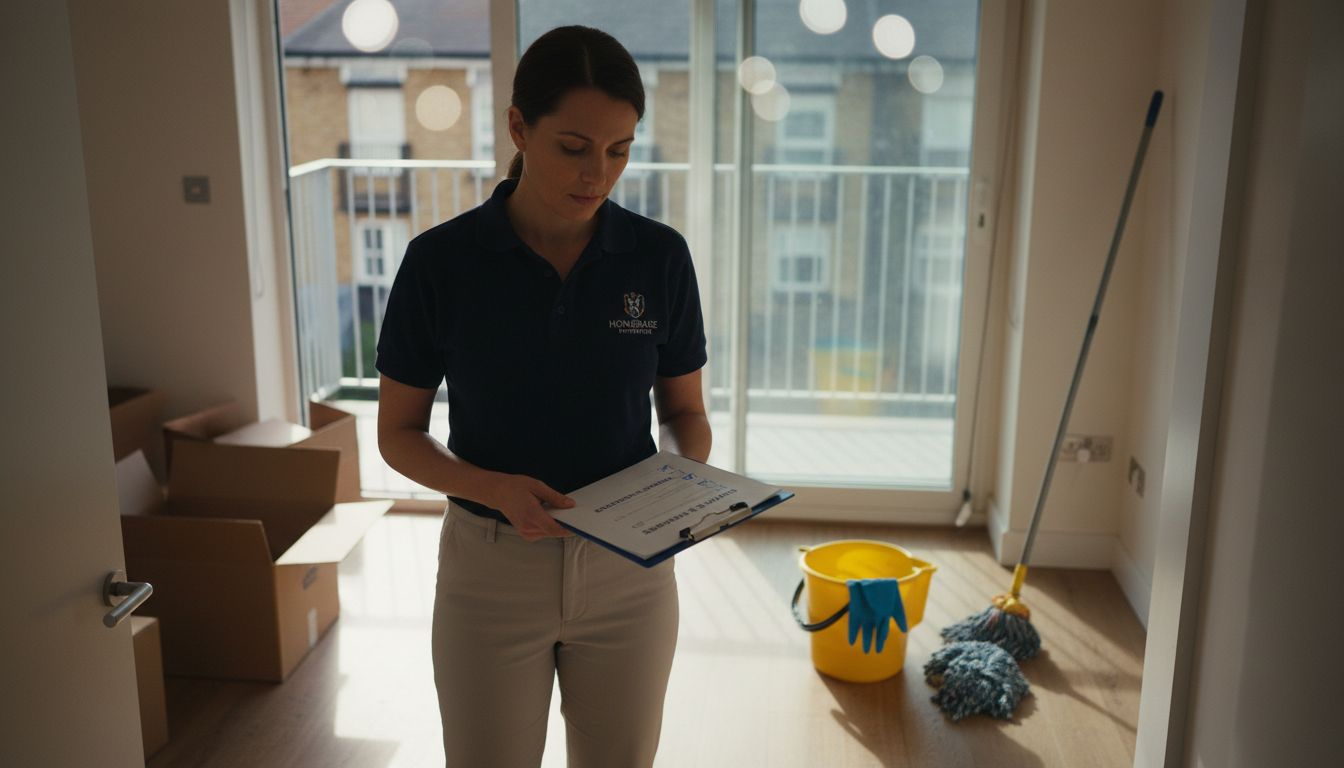
Consider creating a standardised inspection checklist that you can replicate across different properties. This systematic approach not only streamlines your cleaning process but also provides documented evidence of the property’s condition before thorough cleaning begins. By investing time in this initial assessment, you transform post-tenancy cleaning from a generic task into a strategic, tailored service.
2. Prioritise High-Traffic Areas and Entryways
In post-tenancy cleaning, not all areas require equal attention. High-traffic zones and entryways demand strategic focus, as these spaces accumulate the most dirt, wear, and potential damage during a tenancy.
Think of entryways and corridors as your property’s first impression and most challenging cleaning zones. These areas endure constant foot traffic, collecting dust, mud, scuff marks, and general grime that can quickly degrade surface quality. Key high-traffic zones to concentrate on include:
- Front door and immediate interior entrance
- Hallway flooring
- Kitchen floor spaces
- Living room pathways
- Staircase treads
Start by thoroughly assessing these zones for specific cleaning requirements. Hardwood floors might need wood-specific treatments, while carpeted areas could require deep steam cleaning. Pay special attention to baseboards, door frames, and wall edges where dirt and marks tend to accumulate unnoticed.
Practical cleaning strategies for these zones involve layered approaches. Begin with a comprehensive vacuum or sweeping to remove loose debris. Follow this with targeted spot cleaning for stubborn marks. Use microfibre cloths for wall edges and skirting boards to capture fine dust particles effectively. Consider using specialised cleaning solutions that match your specific flooring materials to prevent potential damage.
Remember that thorough cleaning of high-traffic areas not only improves aesthetic appeal but also extends the longevity of your property’s surfaces. A meticulous approach here can significantly reduce long-term maintenance costs and maintain your property’s pristine condition between tenancies.
3. Deep Clean Kitchens and Appliances Thoroughly
The kitchen represents the heart of any property and demands meticulous attention during post-tenancy cleaning. Intensive sanitisation focuses on comprehensive surface treatment and appliance restoration, ensuring a hygienic environment for incoming tenants.
Strategic cleaning approach involves methodical treatment of every kitchen surface and appliance. Start with major appliances like refrigerators, ovens, and microwaves. Remove all interior shelves and drawers, washing them separately with appropriate cleaning solutions. Pay special attention to:
- Interior refrigerator surfaces
- Oven interior and exterior
- Stovetop and range hood
- Dishwasher seals and interior
- Microwave interior and turntable
Working from top to bottom prevents recontaminating clean surfaces. Grease and grime accumulation requires targeted treatments. Use degreasing agents for stubborn kitchen surfaces, ensuring you select products suitable for specific materials like stainless steel, ceramic, or painted finishes.
Open spaces behind and underneath appliances often harbour hidden dirt. Move appliances carefully to access and clean these forgotten zones. Comprehensive kitchen surface cleaning involves not just visible areas but complete systematic sanitisation.
Pro tip: Microfibre cloths and extendable cleaning tools help reach challenging spots, transforming your kitchen cleaning from basic wipe down to professional grade restoration.
4. Sanitise Bathrooms and Replace Consumables
Bathroom sanitisation represents a critical checkpoint in post-tenancy cleaning, demanding thorough attention to both visible surfaces and essential replaceable items. Sanitising bathrooms thoroughly ensures a hygienic environment for incoming occupants, transforming the space into a pristine welcome zone.
Comprehensive bathroom cleaning involves a systematic approach targeting multiple zones. Begin with disinfecting high contact surfaces like taps, toilet seats, shower handles, and door knobs. These areas accumulate significant bacterial presence and require specialised cleaning techniques.
Critical sanitisation zones include:
- Toilet bowl and surrounding areas
- Shower and bathtub surfaces
- Sink and vanity countertops
- Mirror and glass surfaces
- Floor and tile grout lines
Pay special attention to bathroom sanitation protocols that go beyond surface cleaning. Use antibacterial solutions specifically designed for bathroom environments. Microfibre cloths and extendable cleaning tools help reach challenging spots like behind toilets and underneath sinks.
Consumables replacement is equally important. Stock fresh toilet paper, replace soap dispensers, ensure clean hand towels, and check bathroom accessories. This attention to detail signals professionalism and care to incoming tenants, creating an immediate positive impression of property maintenance.
5. Restore Carpets, Flooring and Upholstery
Restoring carpets, flooring, and upholstery transforms a property from merely clean to genuinely refreshed. Professional cleaning techniques can dramatically improve surface appearance and longevity, making these areas look virtually brand new.
Strategic restoration begins with understanding different surface requirements. Carpets need deep steam cleaning to remove embedded dirt, while hardwood floors demand specialised treatments that protect their natural finish. Upholstery requires careful assessment of fabric type and potential staining.
Key restoration zones include:
- Carpet pile and underlay
- Hardwood floor surfaces
- Tile and grout lines
- Fabric sofa and chair surfaces
- Curtains and soft furnishings
Start with a thorough vacuum using attachments designed for specific surfaces. For carpets, professional steam cleaning removes years of accumulated dirt and potential allergens. Hardwood floors benefit from microfibre mops and wood specific cleaning solutions that restore shine without causing damage.
Upholstery cleaning requires a nuanced approach. Use fabric specific treatments that address stains without compromising material integrity. Consider professional vacuum and floor restoration services for challenging surfaces or extensive cleaning requirements.
Pro tip: Always test cleaning solutions on a small hidden area first to prevent potential discolouration or fabric damage.
6. Address Walls, Doors, Fixtures and Light Fittings
Often overlooked during cleaning, walls, doors, fixtures, and light fittings are critical surfaces that significantly impact a property’s overall presentation. Understanding comprehensive surface cleaning techniques helps restore these areas to pristine condition.
Systematic surface restoration involves a methodical approach targeting different materials and potential damage types. Begin with gentle cleaning techniques that preserve surface integrity while removing accumulated dirt, fingerprints, and scuff marks.
Key areas requiring focused attention include:
- Wall surfaces and paintwork
- Skirting boards
- Door frames and handles
- Light switches and electrical plates
- Ceiling light fixtures
- Window frames and sills
Use microfibre cloths with appropriate cleaning solutions matched to specific surface types. White walls require extra care to prevent discolouration, while wooden surfaces need specialised wood cleaning products that nourish and protect. Avoid abrasive materials that might scratch delicate surfaces.
Light fittings demand careful handling. Gently remove dust and cobwebs using extendable cleaning tools with soft attachments. For glass or crystal fixtures, use gentle glass cleaner and soft lint free cloths to restore shine without leaving streaks.
Pro tip: Always test cleaning solutions on a small inconspicuous area first to ensure compatibility with the surface material and prevent potential damage.
7. Complete a Detailed Final Inspection Checklist
A comprehensive final inspection represents the ultimate quality assurance step in post tenancy cleaning, transforming your meticulous efforts into documented proof of property restoration. Systematic property assessment ensures no detail goes unnoticed, providing protection for both property managers and incoming tenants.
Creating a structured inspection checklist involves methodical documentation across multiple property zones. This systematic approach prevents overlooking critical areas and provides a clear record of cleaning standards.
Essential checklist categories include:
- Kitchen functionality and cleanliness
- Bathroom sanitation levels
- Floor and surface restoration
- Wall and fixture conditions
- Window and door operational status
- Electrical fitting performance
- Overall property presentation
Document your inspection using digital photographs and written notes. Capture before and after images to demonstrate the transformation. Pay special attention to subtle details like corner cobwebs, light switch plates, skirting board dust, and hidden surface marks.
Professional inspections require objectivity. Walk through the property systematically, starting from the entrance and moving room by room. Use a standardised checklist template that allows for detailed annotations and photographic evidence.
Pro tip: Consider using a tablet or smartphone for real time digital documentation, enabling immediate recording of inspection findings and creating a professional, comprehensive assessment report.
Below is a comprehensive table summarizing the key steps and strategies for effective post-tenancy cleaning as discussed throughout the article.
| Main Step | Key Points & Actions | Benefits/Outcomes |
|---|---|---|
| Evaluate Condition | Conduct a detailed inspection; Note wear and tear. | Establishes cleaning roadmap; Prevents disputes. |
| Prioritise High-Traffic Areas | Focus on entryways and corridors; Use layered cleaning. | Enhances first impressions; Reduces maintenance costs. |
| Deep Clean Kitchens and Appliances | Clean major appliances; Use degreasing agents. | Ensures hygiene; Restores kitchen to like-new condition. |
| Sanitise Bathrooms | Disinfect high contact areas; Replace consumables. | Creates a hygienic environment; Impresses new tenants. |
| Restore Carpets and Upholstery | Use steam cleaning; Apply fabric-specific solutions. | Refreshes appearance; Extends material lifespan. |
| Clean Walls and Fixtures | Use gentle cleaning solutions; Avoid abrasives. | Restores aesthetic appeal; Prevents damage. |
| Detailed Final Inspection | Use structured checklist; Take photos. | Provides documented proof; Ensures comprehensive cleaning. |
Achieve Post Tenancy Cleaning Excellence with HARC Solutions
Navigating the complexities of post tenancy cleaning requires more than just elbow grease it demands a strategic approach that addresses every detail from high-traffic areas to deep kitchen sanitisation. If you find yourself overwhelmed by the need to prioritise tasks like carpet restoration or bathroom sanitisation HARC Solutions provides tailored post tenancy cleaning services designed to meet these exact challenges. Our expert team understands your goal to deliver pristine properties that impress incoming tenants and protect your investment.
Don’t leave your property’s condition to chance trust HARC Solutions for thorough inspections and meticulous cleaning that aligns perfectly with the essentials outlined in this guide. Experience peace of mind knowing that every corner from walls and fixtures to floors and appliances receives professional care. Visit HARC Solutions now to explore our services and book your customised post tenancy cleaning. Make your property stand out with the reliability and quality that local landlords and property managers count on.
Frequently Asked Questions
What should I focus on during my initial property inspection before post tenancy cleaning?
Before starting post tenancy cleaning, focus on assessing the property’s condition. Look for key areas such as wall surfaces, flooring, and high-traffic zones. Document any existing wear and tear to guide your cleaning priorities.
How can I effectively clean high-traffic areas and entryways in a rental property?
To effectively clean high-traffic areas, start by thoroughly vacuuming or sweeping these zones. Follow up with specific spot cleaning for stains and use microfibre cloths to target skirting boards and wall edges, ensuring these areas look pristine.
What’s the best way to sanitise kitchens and clean appliances after a tenancy?
Sanitise kitchens by focusing on major appliances like ovens and refrigerators, removing shelves and cleaning them separately. Use appropriate cleaning solutions for each surface and prioritise areas where grime accumulates, ensuring a hygienic environment for new tenants.
How can I ensure that bathrooms are thoroughly cleaned and sanitised?
Ensure bathrooms are thoroughly cleaned by disinfecting high-contact surfaces, such as taps and toilets, using antibacterial cleaning solutions. Pay particular attention to all surfaces and replace consumables like toilet paper and soap to maintain a welcoming space for incoming occupants.
What steps should I take to restore carpets, flooring, and upholstery during post tenancy cleaning?
To restore carpets, flooring, and upholstery, begin with a comprehensive vacuum and then proceed with deep steam cleaning carpets, while applying treatments suitable for hardwood or tile surfaces. Take special care with upholstery by using fabric-specific cleaning methods to avoid damaging materials.
How can I create an effective final inspection checklist after completing post tenancy cleaning?
Create an effective final inspection checklist by categorising key areas such as kitchen cleanliness and bathroom sanitation. Use a template to systematically document each zone, including visual evidence of the cleaning standards achieved, and ensure no detail is overlooked.