More than 80 percent of British homeowners report lingering dust and debris after even minor renovation work. If you have ever stepped into a freshly remodelled room and spotted construction residue clinging to every corner, you know how challenging cleanup can be. Proper deep cleaning after renovation matters not just for appearance, but for preventing health risks and future expenses. Clear guidance helps transform any British property into a spotless, healthy space ready to enjoy.
Table of Contents
- Defining Deep Cleaning After Renovation
- Common Renovation Residues And Their Risks
- Essential Procedures And Professional Standards
- Legal, Health, And Safety Obligations In The UK
- Cost Implications And Common Pitfalls
Key Takeaways
| Point | Details |
|---|---|
| Deep Cleaning Is Essential | Deep cleaning after renovation is critical for ensuring a safe and pristine environment by removing hazardous residues and debris left from construction. |
| Health Risks of Residues | Renovation projects can introduce harmful materials, such as VOCs and asbestos, necessitating professional cleaning to protect occupant health. |
| Legal Compliance Is Crucial | In the UK, adhering to health and safety regulations during post-renovation cleaning is not only mandatory but also essential for protecting human health. |
| Budget for Hidden Costs | Property owners should plan for unexpected expenses related to thorough cleaning and hazardous material removal to avoid financial pitfalls. |
Defining Deep Cleaning After Renovation
Deep cleaning after renovation is a comprehensive and intensive cleaning process that goes far beyond routine surface maintenance. Unlike standard cleaning, this specialised approach targets hard-to-reach areas and accumulated debris left behind during construction or remodelling work. The goal is to transform a newly renovated space from a dusty, residue-filled environment into a pristine, polished setting ready for immediate use.
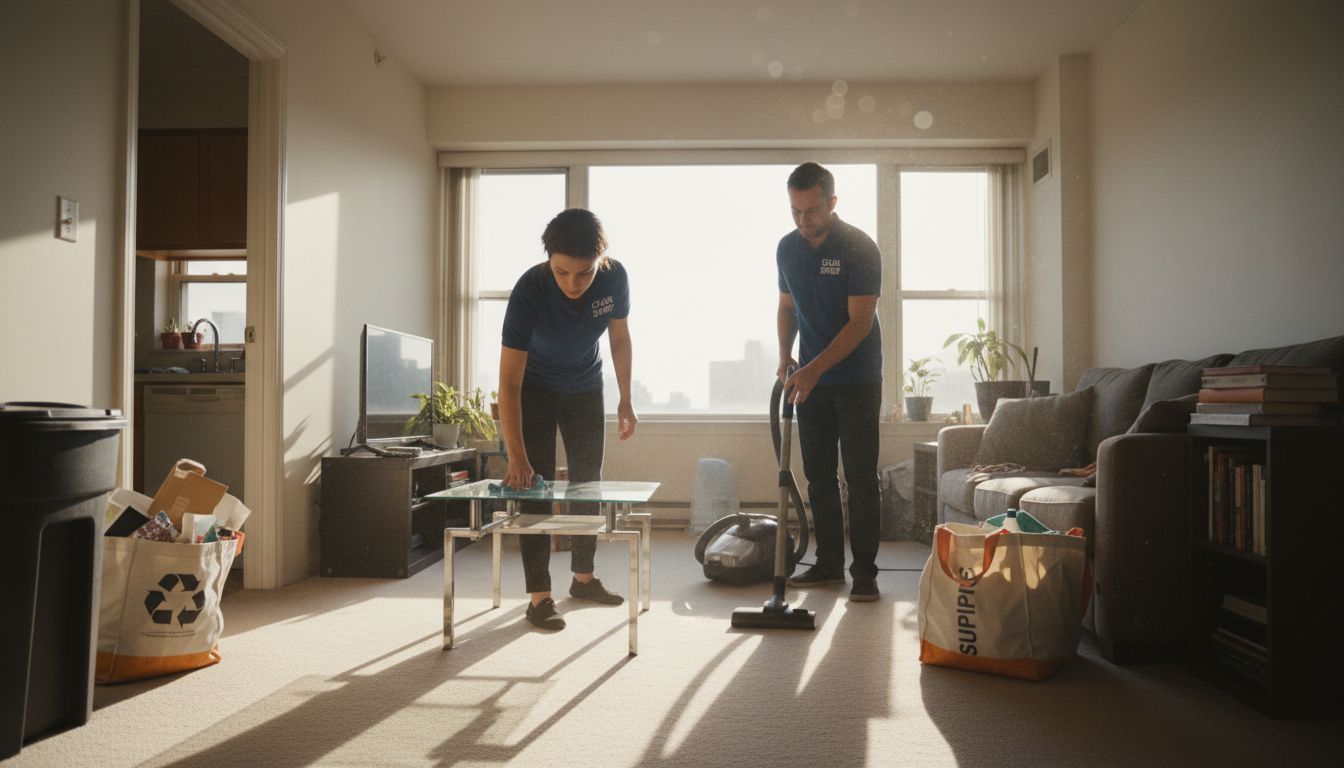
The process involves multiple strategic cleaning stages designed to address the unique challenges posed by renovation work. Typically, deep cleaning encompasses thorough dust removal from hidden surfaces, comprehensive sanitisation of all areas, detailed cleaning of construction residues, and meticulous attention to spaces frequently overlooked during standard cleaning routines. This might include cleaning inside cupboards, behind appliances, within ventilation systems, and along skirting boards where fine construction dust tends to accumulate.
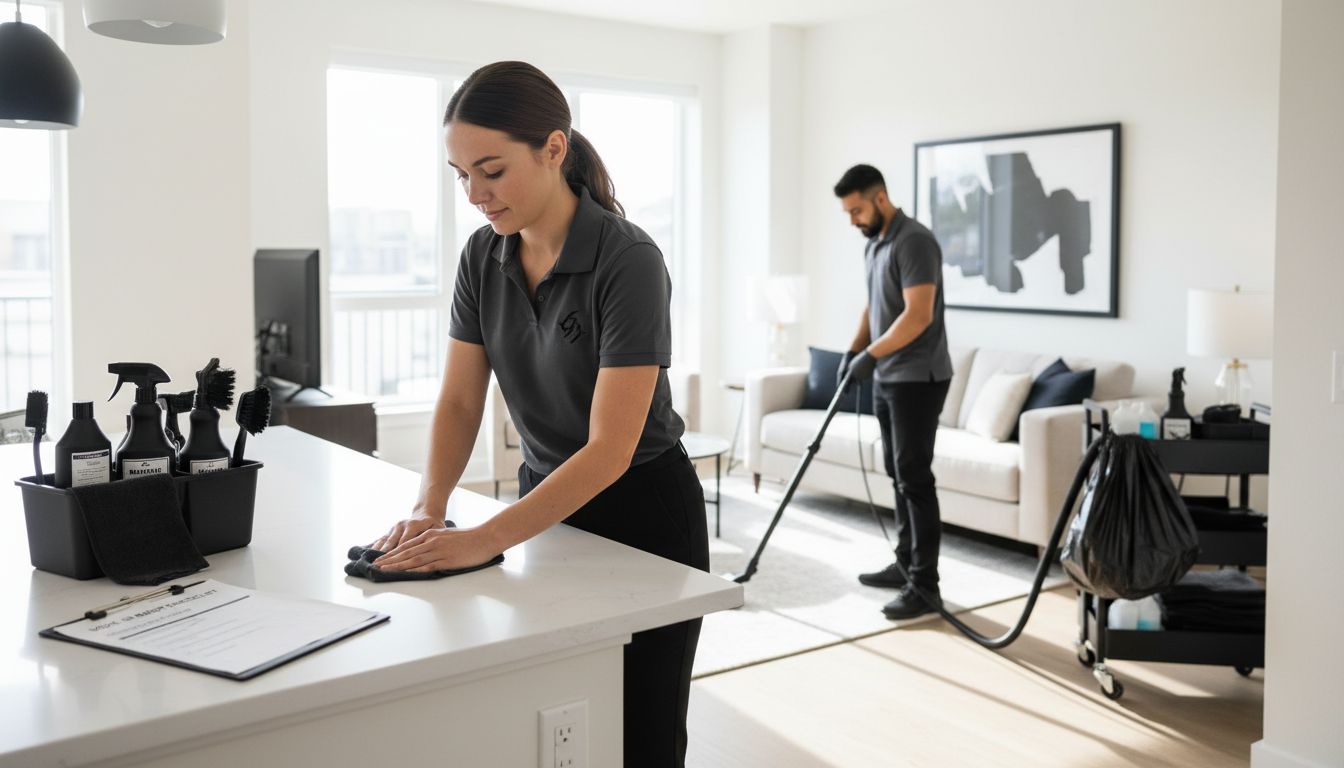
Professional deep cleaning after renovation follows a systematic approach that can be scheduled periodically to maintain an attractive environment. The process usually involves specialised equipment, professional-grade cleaning solutions, and trained technicians who understand the nuanced requirements of post-renovation spaces. Key aspects include:
- Comprehensive dust and debris removal
- Thorough surface sanitisation
- Detailed cleaning of hard-to-reach areas
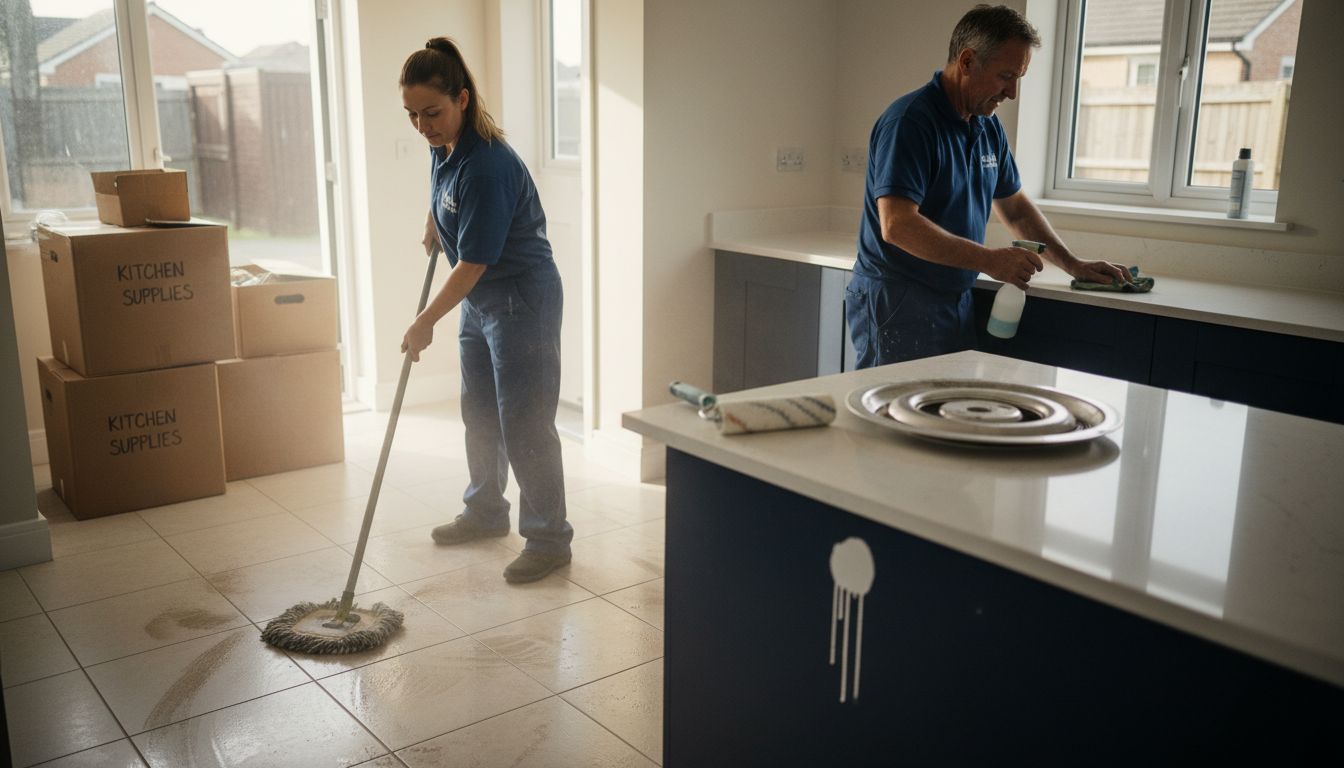
- Removal of paint splatters and construction residues
- Ensuring air quality and ventilation system cleanliness
By investing in professional deep cleaning after renovation, property owners can protect their investment, ensure a healthy living or working environment, and create a truly refreshed space that looks and feels completely transformed.
Common Renovation Residues and Their Risks
Renovation projects generate an array of potentially hazardous residues that can significantly impact indoor environmental quality and human health. Construction and demolition waste often includes complex non-biodegradable materials such as concrete, wood, plastics, and chemical compounds that pose substantial risks to occupants if not properly managed and removed.
Some of the most concerning renovation residues include volatile organic compounds (VOCs), heavy metal particulates, and toxic dust containing potentially dangerous substances. Renovation activities can disturb hazardous materials like asbestos and lead-based paint, which present serious health risks through inhalation or indirect exposure. Workers and inhabitants might encounter these harmful substances during and after renovation processes, making comprehensive cleaning and assessment critical.
The potential health risks associated with renovation residues are significant and wide-ranging. Exposure can lead to various respiratory issues, skin irritations, and long-term health complications. Key risks include:
- Respiratory tract inflammation from fine dust particles
- Potential carcinogenic exposure from asbestos and lead materials
- Allergic reactions triggered by chemical residues
- Neurological impacts from prolonged VOC exposure
- Potential genetic and cellular damage from heavy metal particulates
Understanding these risks underscores the absolute necessity of professional deep cleaning after any renovation project. Thorough removal of these residues protects not just the aesthetic quality of a space, but more importantly, the health and well-being of its occupants.
Essential Procedures and Professional Standards
Post-renovation deep cleaning requires a meticulously structured approach that adheres to rigorous professional standards and comprehensive cleaning protocols. Ensuring a clean and safe living or working space involves systematically eliminating dust, debris, and residues left by construction activities, which demands specialised knowledge and advanced technical expertise.
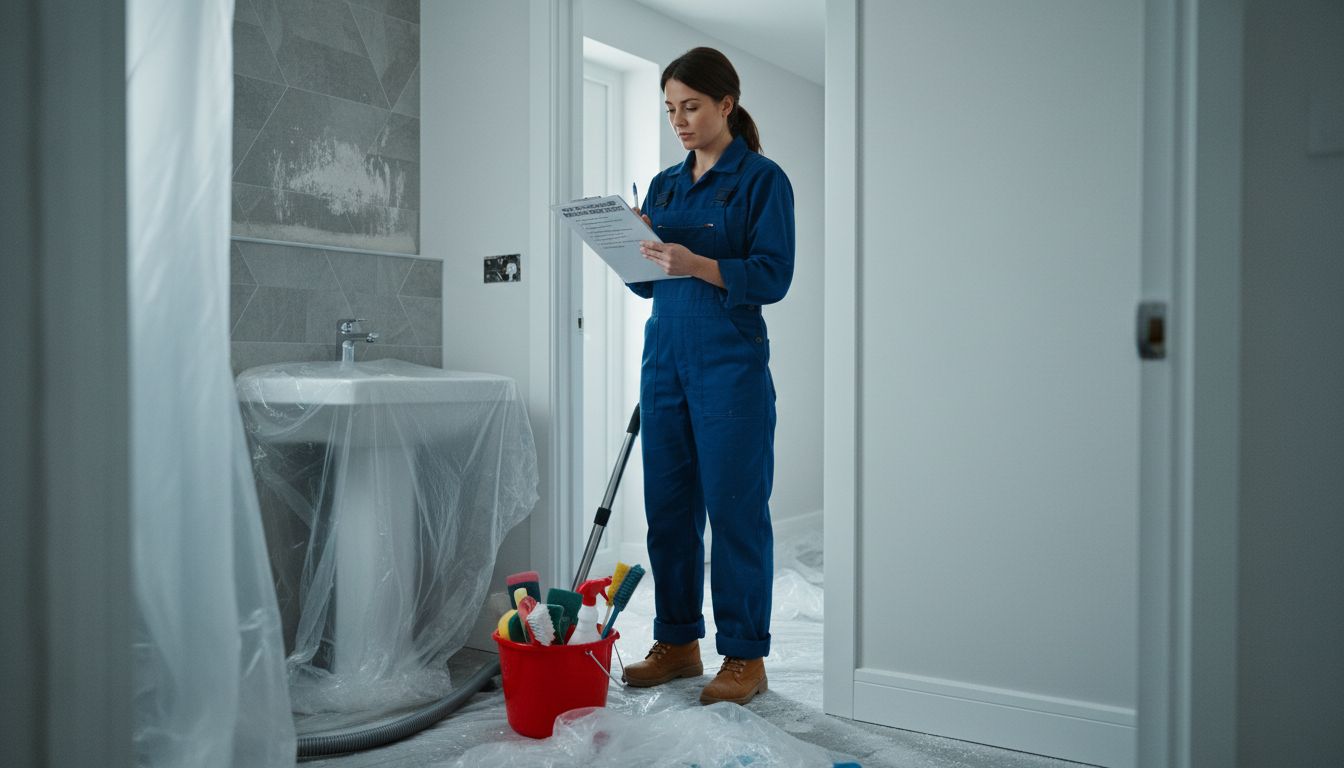
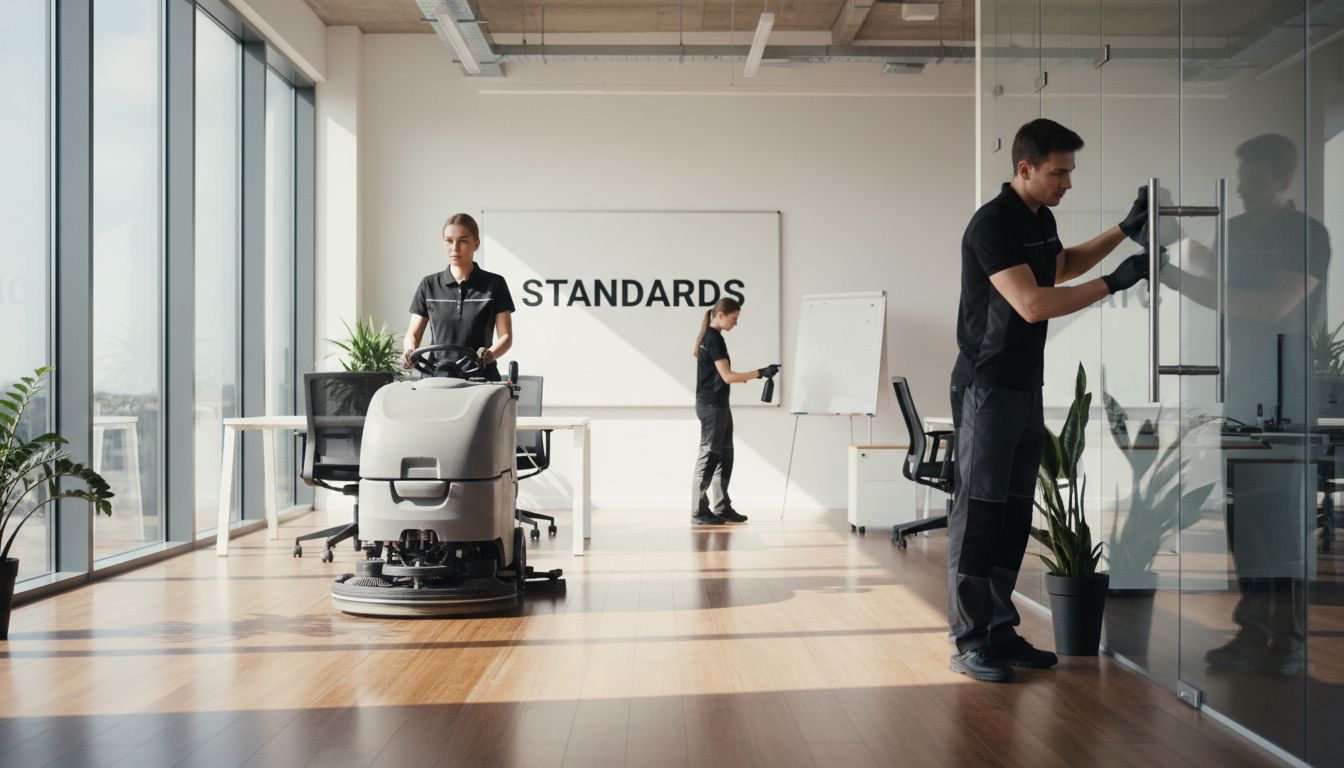
Professional cleaning teams follow a strategic multi-stage procedure that addresses every potential contamination zone. This typically involves initial assessment, detailed planning, systematic cleaning, and final quality verification. Key procedural elements include protective equipment usage, specialised cleaning agent selection, precise surface-specific treatment methods, and comprehensive documentation of cleaning processes. Technicians must understand material compatibility, chemical interactions, and potential cross-contamination risks to maintain the highest standards of hygiene and safety.
The essential procedures encompass several critical stages:
- Initial site assessment and risk evaluation
- Dust and debris containment strategies
- Specialised cleaning equipment selection
- Surface-specific cleaning techniques
- Comprehensive sanitisation protocols
- Air quality restoration methods
- Final inspection and quality assurance
Professional standards in post-renovation cleaning are not merely about aesthetic cleanliness but represent a holistic approach to environmental restoration. By implementing rigorous methodologies, cleaning professionals transform potentially hazardous post-construction spaces into pristine, safe environments that meet the most exacting health and safety requirements.
Legal, Health, and Safety Obligations in the UK
In the United Kingdom, post-renovation cleaning is not merely a matter of aesthetic preference but a critical legal requirement with stringent health and safety implications. The Health and Safety Executive provides comprehensive guidelines for managing health risks associated with construction and renovation activities, establishing clear legal obligations for property owners, contractors, and cleaning professionals to mitigate potential hazards.
Legal frameworks in the UK mandate rigorous standards for controlling exposure to harmful substances during and after renovation work. These regulations encompass a wide range of responsibilities, including dust and chemical management, proper waste disposal, and ensuring indoor environmental quality. Failure to comply can result in significant legal penalties, potential litigation, and substantial health risks to occupants. Property managers and renovation contractors must demonstrate a proactive approach to risk management, documenting comprehensive cleaning and decontamination processes.
Key legal and safety obligations include:
- Comprehensive risk assessment before and after renovation
- Controlled removal of hazardous construction materials
- Compliance with workplace health and safety regulations
- Proper handling and disposal of potentially toxic substances
- Maintaining detailed documentation of cleaning procedures
- Ensuring adequate ventilation and air quality standards
- Protecting occupants from potential health risks
Ultimately, these legal obligations extend beyond mere regulatory compliance. They represent a fundamental commitment to protecting human health, ensuring safe living and working environments, and maintaining the highest standards of professional responsibility in the built environment.
Cost Implications and Common Pitfalls
Renovation projects frequently encounter budget challenges and unexpected financial complexities, with overly optimistic initial estimates leading to significant fiscal strain. Property owners and managers must anticipate potential hidden costs associated with comprehensive post-renovation cleaning, understanding that initial budgetary projections often represent only a fraction of the true financial investment required.
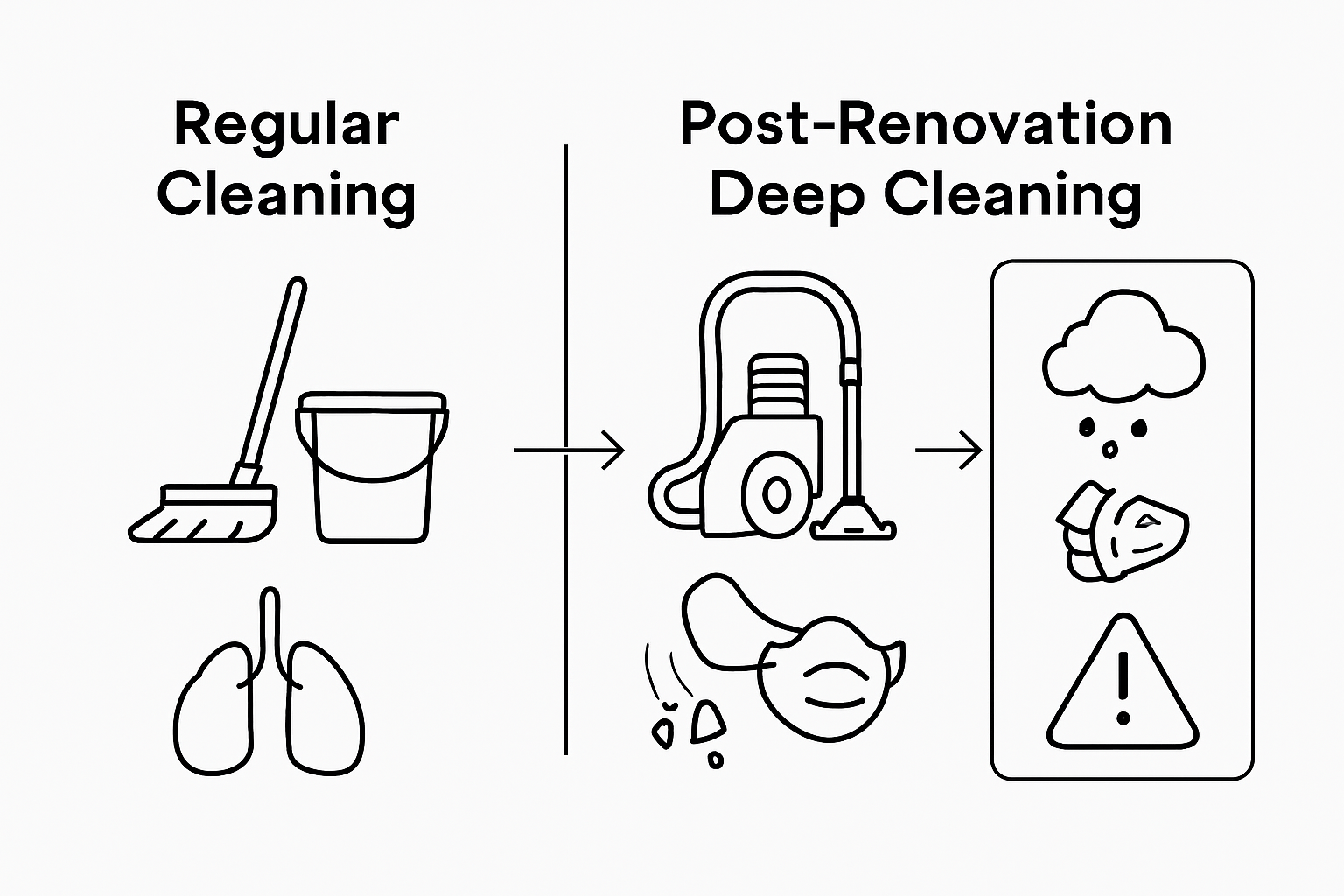
Failure to identify and mitigate environmental hazards during renovation can result in substantial financial liabilities, dramatically increasing overall project expenses. These unforeseen challenges can emerge through multiple channels, including unexpected contamination, complex cleaning requirements, specialised waste disposal, and potential health and safety remediation needs.
Common financial pitfalls in post-renovation cleaning include:
- Underestimating specialist cleaning equipment costs
- Overlooking comprehensive hazardous material removal expenses
- Neglecting potential health risk mitigation expenses
- Insufficient budget allocation for professional deep cleaning services
- Unexpected disposal and decontamination charges
- Hidden costs of air quality testing and remediation
- Potential legal and compliance-related financial risks
Successful navigation of these financial challenges requires a strategic approach that prioritises thorough initial assessment, comprehensive planning, and maintaining a flexible contingency fund. By anticipating potential complications and building financial flexibility into renovation budgets, property owners can effectively manage both the financial and practical aspects of post-renovation environmental restoration.
Ensure a Truly Safe and Spotless Space After Renovation
Renovation residues like fine dust, chemical agents and hidden debris can pose serious health risks and jeopardise your investment if left untreated. This article highlights the importance of professional deep cleaning after renovation to eliminate hazardous materials and restore indoor air quality. If you are a landlord, developer or business owner seeking a trustworthy partner to tackle these challenges, expert care and thoroughness are key to protecting occupants and meeting legal health and safety obligations.
Choose HARC Solutions for your post-renovation cleaning needs. Our experienced, trained and insured staff specialise in detailed removal of construction residues with a client-centred approach focused on trust and quality. We offer tailored services including after-build cleaning designed to safeguard health while transforming your space into a pristine environment. Don’t wait until hidden contaminants create problems — book our professional team today and experience the peace of mind that comes with a safe, polished property.
Frequently Asked Questions
What is deep cleaning after renovation?
Deep cleaning after renovation is a thorough cleaning process that targets dust, debris, and hazardous residues left behind from construction work. It aims to sanitise the space, ensuring it is safe and ready for use.
Why is it important to hire professionals for post-renovation deep cleaning?
Hiring professionals is crucial because they possess specialised knowledge, advanced equipment, and cleaning solutions that effectively remove harmful substances and ensure a safe environment. They follow systematic procedures to address even the most difficult-to-reach areas.
What kind of residues are left after renovation that require deep cleaning?
Residuals from renovation often include dust, volatile organic compounds (VOCs), heavy metal particulates, and potentially hazardous materials like asbestos or lead. Comprehensive cleaning is necessary to protect health and ensure air quality.
What are the potential health risks associated with inadequate cleaning after renovation?
Inadequate cleaning can expose occupants to respiratory issues, skin irritations, and long-term health complications due to harmful residues. This highlights the necessity of professional deep cleaning to mitigate these risks.