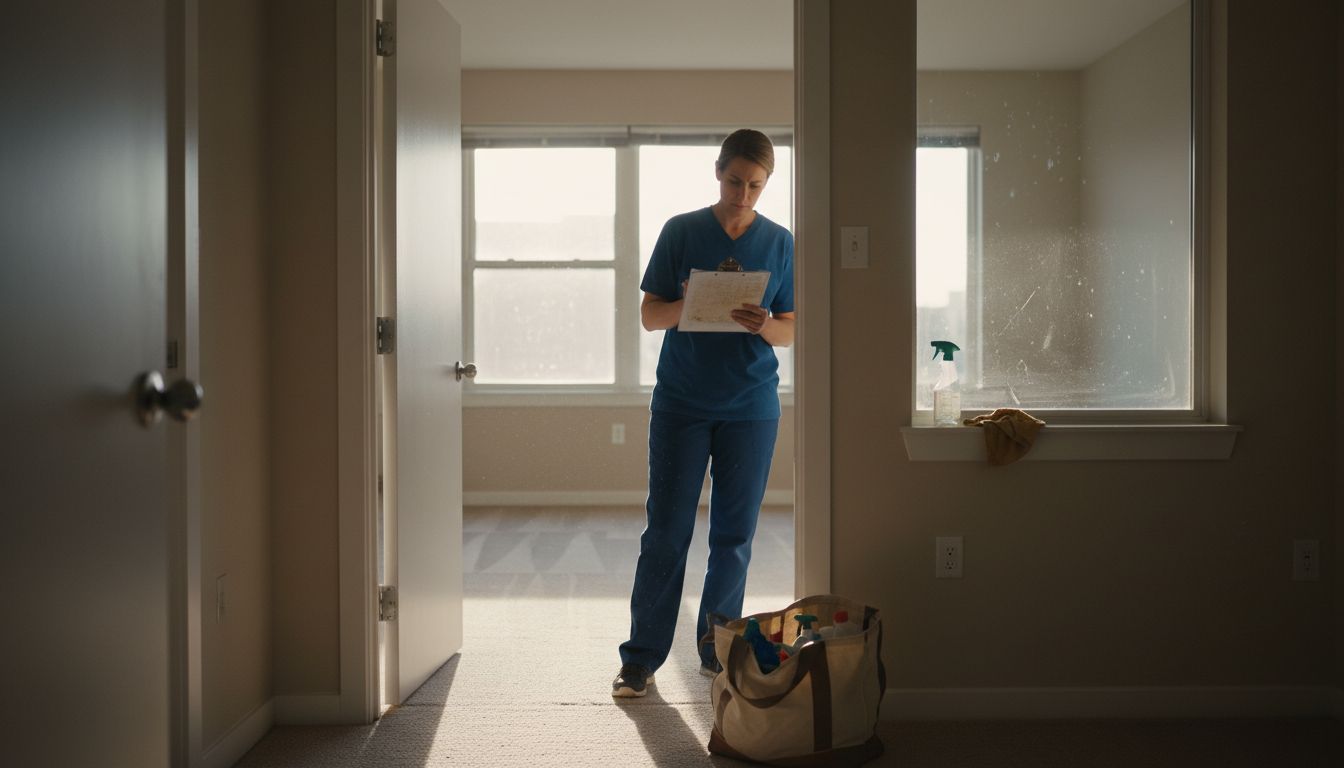
Over 80 percent of office workers in British cities report that a clean workplace boosts their overall productivity. For any British business, keeping the office spotless is about more than appearances. A detailed cleaning plan creates a healthier environment, protects sensitive information, and keeps every team member comfortable. This guide shows practical steps to assess your own office, prepare workspaces, and ensure every area receives attention before the professionals arrive.
Table of Contents
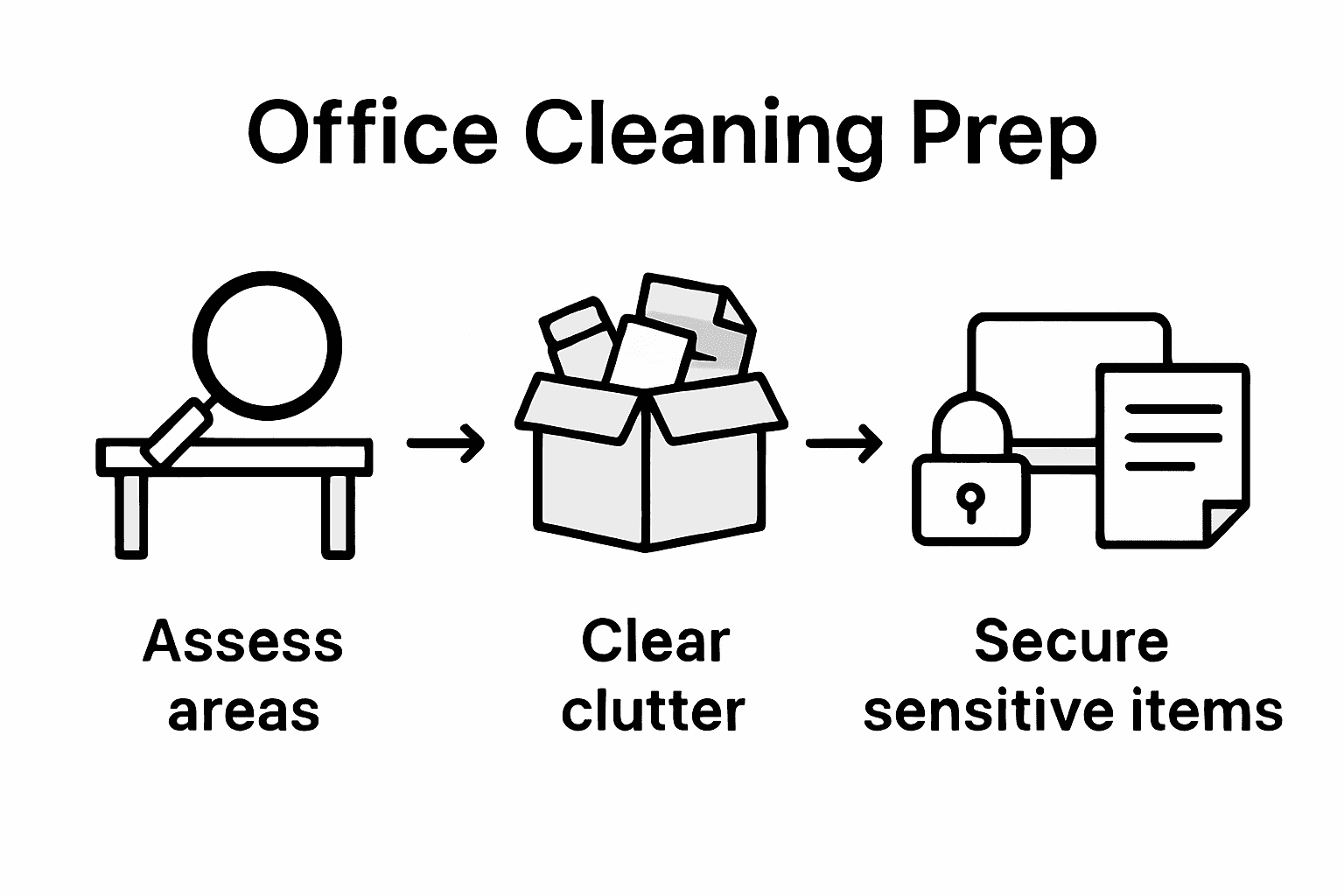
- Step 1: Assess Office Areas and Identify Cleaning Needs
- Step 2: Remove Clutter and Personal Items from Workspaces
- Step 3: Secure Sensitive Documents and Electronics
- Step 4: Communicate Cleaning Plans to Staff and Tenants
- Step 5: Verify Access and Safety Arrangements for Cleaners
Quick Summary
| Key Point | Explanation |
|---|---|
| 1. Conduct a thorough assessment | Evaluate office areas to identify specific cleaning needs and establish tailored strategies for each zone. |
| 2. Remove personal belongings effectively | Clear personal items and clutter to enhance cleaning effectiveness while protecting your possessions during the process. |
| 3. Secure sensitive documents properly | Use lockable storage for confidential materials and ensure digital data is backed up and protected during cleaning. |
| 4. Communicate cleaning plans proactively | Inform staff about the cleaning schedule and expectations to minimise disruptions and maintain clarity throughout the process. |
| 5. Ensure safe access for cleaners | Plan access routes and safety protocols for cleaning staff to ensure a secure and efficient cleaning experience. |
Step 1: Assess Office Areas and Identify Cleaning Needs
Preparing your office for professional cleaning starts with a comprehensive assessment of the workspace. This critical first step helps you develop a targeted cleaning strategy that addresses specific needs and ensures every area receives appropriate attention.
Begin by conducting a systematic walkthrough of your entire office, carefully examining different zones and their unique cleaning requirements. Effective cleaning programs start with understanding facility characteristics, which means identifying high-traffic areas, special surfaces, and potential problem zones. Pay particular attention to spaces like reception areas, meeting rooms, individual workstations, kitchens, and restrooms. Note surface types (wood, glass, carpet, tile), equipment presence, and areas prone to heavy use or quick dirt accumulation.
As you assess the space, create a detailed inventory of cleaning needs. Document the specific requirements for each area record the frequency of cleaning required, any specialised cleaning products needed, and potential challenges. Some zones might need daily attention, while others could be managed weekly or monthly. Understanding building usage helps develop a comprehensive cleaning approach, so consider factors like employee count, visitor traffic, and the type of work performed in different office sections.
Professional insight: Capture photographic evidence during your assessment. These visual records will help cleaning professionals understand the exact condition and specific needs of each office area, ensuring a more precise and effective cleaning process.
Topical insight: Involve your team in the assessment. Employees often notice cleaning needs that might escape initial inspection, providing valuable perspectives on maintaining a hygienic workplace.
Advanced tip: Create a digital spreadsheet or checklist to track your assessment findings, making it easier to communicate specific requirements to your cleaning service and monitor progress over time.
Here is a summary of typical office areas and their unique cleaning priorities:
| Office Area | Key Cleaning Priority | Frequency |
|---|---|---|
| Reception | High-visibility surfaces | Daily |
| Meeting Rooms | Tables, electronics, chairs | After Meetings |
| Kitchens | Food prep surfaces, appliances | Daily |
| Restrooms | Hygiene surfaces, fixtures | Multiple Daily |
| Workstations | Desks, keyboards, screens | Weekly/Daily |
| Storage Areas | Shelves, floors, inventory | Weekly |
Step 2: Remove Clutter and Personal Items from Workspaces
Clearning your workspace is a crucial preparation step before professional cleaning begins. This process ensures a thorough and efficient cleaning experience while protecting your personal belongings and maintaining workplace professionalism.
Removing personal and confidential items from workspaces is essential for a smooth cleaning process. Start by systematically clearing each workspace area including desks, shelves, and personal storage zones. Begin with loose papers, files, and documents these should be organised into secure folders or temporarily stored away. Remove personal items like photographs, desk decorations, and electronic accessories. Place these items in a safe designated area away from cleaning zones.

Digital spaces require attention too. Conduct a digital spring cleaning to remove unnecessary digital clutter which enhances device performance and protects sensitive information. Clear out old email folders, delete temporary files, and organise your computer desktop. Move important digital files to secure cloud storage or external drives to prevent accidental deletion during the cleaning process.
Professional insight: Use clear storage containers or labelled boxes to temporarily store personal items during cleaning. This approach keeps your belongings organised and easily retrievable after the cleaning process.
Workplace tip: Coordinate with colleagues to create a unified approach to workspace clearing, ensuring everyone understands the importance of preparing their individual areas.
Advanced tip: Create a personal workspace checklist to streamline the clearing process and ensure no important items are overlooked or misplaced during professional cleaning.
Step 3: Secure Sensitive Documents and Electronics
Protecting confidential information during office cleaning requires careful planning and strategic handling of sensitive materials. This crucial step ensures your workplace maintains professional security standards while allowing thorough cleaning to proceed smoothly.
Implementing a comprehensive clean desk guideline is essential for safeguarding sensitive documents and electronic devices. Begin by identifying all confidential materials such as client files, financial records, employee information, and proprietary business documents. Use lockable filing cabinets or secure storage containers to temporarily store these items during the cleaning process. For electronic devices, power down computers, laptops, and tablets and store them in secure locations away from potential water or cleaning solution exposure.
Carefully manage your digital security by creating backup copies of important files before the cleaning session. Transfer sensitive digital documents to encrypted external hard drives or secure cloud storage platforms. Remove any temporary files, clear browser caches, and log out of workplace accounts on shared devices. Consider using privacy screens or completely covering computer monitors to prevent accidental exposure of sensitive information during the cleaning procedure.
Professional insight: Develop a systematic approach to document and device protection by creating a detailed inventory of all items being secured. This helps ensure nothing is misplaced or overlooked during the cleaning process.
Workplace tip: Establish a clear protocol with your cleaning team regarding handling of sensitive areas and materials, ensuring everyone understands the importance of maintaining confidentiality.
Advanced tip: Implement a temporary colour coded tagging system to quickly identify which items are secured and which areas require special handling during the cleaning process.
This comparison outlines the main actions for securing sensitive information during cleaning:
| Security Action | Physical Documents | Digital Data |
|---|---|---|
| Storage Method | Locked cabinet or safe | Encrypted cloud or hard drive |
| Preparation Step | Box and label files | Backup, clear temp files |
| Protection During Cleaning | Restrict room access | Log out/cover screens |
| Risk if Not Secured | Data exposure or loss | Possible data breach or deletion |
Step 4: Communicate Cleaning Plans to Staff and Tenants
Effective communication is paramount when preparing for professional office cleaning. Your goal is to ensure everyone understands the cleaning schedule, expectations, and their role in facilitating a smooth cleaning process.
Developing comprehensive cleaning communication strategies involves creating a clear and transparent plan that addresses staff and tenant concerns. Begin by drafting a detailed notification that outlines the specific date, time, and duration of the cleaning session. Include information about which areas will be cleaned, potential temporary disruptions, and any actions staff members need to take to prepare their workspaces. Consider distributing this information through multiple channels such as email, internal messaging systems, physical notices in common areas, and team meetings to ensure maximum visibility.
Addressing potential questions and concerns proactively is crucial. Anticipate and provide answers to common queries about office cleaning procedures to reduce uncertainty and build confidence in the cleaning process. Create a comprehensive information sheet that covers typical concerns like access to workspaces, protection of personal items, and potential noise or temporary relocations during cleaning. Encourage staff to reach out with any specific questions or unique requirements they might have.
Professional insight: Schedule a brief team briefing to discuss the upcoming cleaning and allow staff to ask questions directly. This personal touch helps alleviate concerns and demonstrates your commitment to minimising workplace disruption.
Workplace tip: Appoint a point of contact who can manage queries and provide real time updates about the cleaning process, ensuring smooth communication throughout the session.
Advanced tip: Create a digital shared document or communication channel where staff can track cleaning progress and receive instant updates about the cleaning schedule and any potential changes.
Step 5: Verify Access and Safety Arrangements for Cleaners
Ensuring smooth and safe access for cleaning professionals is a critical step in preparing your office for thorough cleaning. Your primary goal is to create a secure and efficient environment that supports the cleaning team while protecting your workplace assets.
Comprehensive guidelines for cleaning and disinfecting office areas emphasise the importance of preparing comprehensive access arrangements. Start by confirming all necessary entry points such as main doors, service entrances, and any restricted zones. Provide clear access credentials like temporary keycards, security codes, or escorted entry protocols. Review and communicate any specific building access requirements to the cleaning team in advance, ensuring they understand precise entry and exit procedures.
Selecting appropriate safety measures for cleaning personnel involves assessing potential workplace hazards and establishing protective protocols. Conduct a thorough safety briefing that covers emergency procedures, locations of safety equipment, potential workplace risks, and specific area restrictions. Ensure the cleaning team has appropriate personal protective equipment and understands the layout of your office to minimise potential accidents or disruptions.
Professional insight: Create a detailed site map highlighting safe access routes, potential hazards, and restricted zones to help cleaning personnel navigate your workspace efficiently.
Workplace tip: Designate a point of contact who can provide immediate assistance and answer any questions the cleaning team might have during their visit.
Advanced tip: Develop a brief safety induction checklist that cleaning staff must review and sign before beginning work, demonstrating your commitment to workplace safety and professional standards.
Prepare Your Office with Confidence and Expert Support
Preparing your office for professional cleaning requires careful planning to address clutter removal, sensitive document security, and clear communication with your team. These challenges can feel overwhelming but are crucial to achieving a thorough, efficient clean without disrupting your business flow. Whether you need detailed workspace clearance, secure handling of confidential materials, or seamless coordination of cleaning schedules, tackling these steps properly ensures a safer and healthier workplace.
At HARC Solutions, we specialise in providing tailored cleaning services designed to meet the unique needs of landlords, estate agents, developers, and businesses. Our trained and insured staff bring attention to detail and trustworthiness that transforms your office environment with minimal disruption. From comprehensive commercial office cleaning to sensitive post-tenancy cleans, our client-centred approach guarantees satisfaction and peace of mind.
Take control of your office cleaning preparation today.
Discover how our professional team supports every step of your cleaning journey. Visit HARC Solutions now to get your personalised quote and book a service that fits your schedule and standards.
Frequently Asked Questions
How do I assess my office areas for cleaning?
Begin by conducting a thorough walkthrough of your office to identify high-traffic zones, unique surface types, and specific cleaning needs. Take note of areas that require regular attention, such as reception, kitchens, and restrooms, and create a detailed inventory of these requirements.
What should I do to clear my workspace before cleaning?
Remove personal items and clutter from desks and shelves to ensure a thorough cleaning process. Organise loose papers into secure folders and temporarily store them in labelled boxes to keep your workspace neat and facilitate efficient cleaning.
How can I protect sensitive documents during office cleaning?
Secure confidential documents and electronic devices by storing them in locked cabinets or using encrypted cloud storage. Conduct a thorough digital backup of important files and log out of shared devices to prevent any accidental exposure or loss during the cleaning process.
What information should I communicate to staff about the cleaning schedule?
Notify staff about the date, time, and areas to be cleaned, as well as any actions they need to take. Create a comprehensive information sheet addressing potential concerns, such as workspace access and temporary disruptions, to ensure everyone is informed and prepared.
How can I ensure safe access for cleaning professionals?
Confirm all necessary entry points and provide clear access credentials, such as temporary keycards or security codes. Conduct a safety briefing for the cleaning team to outline workplace hazards and ensure they have the appropriate personal protective equipment before they begin work.
Why is it helpful to involve staff in the cleaning preparation?
Involving staff in the cleaning preparation can highlight cleaning needs that may not be immediately apparent. Encourage employees to share their perspectives on specific workplace areas, which can lead to a more comprehensive cleaning approach and a shared sense of responsibility.