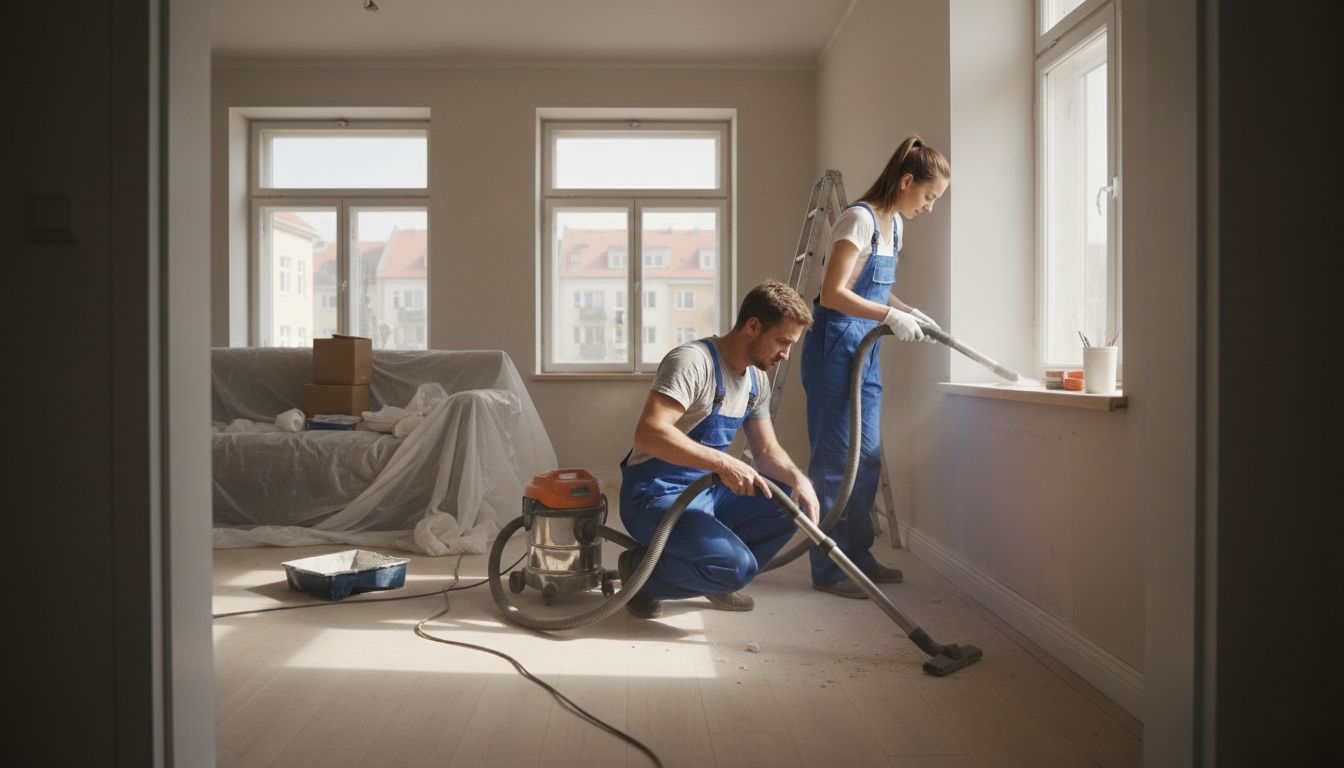
Every British homeowner knows the aftermath of renovations brings a unique set of challenges. Even after the dust settles, unseen hazards and persistent debris can linger in corners and air vents. Studies show that over 90 percent of post-renovation spaces contain fine dust particles and chemical residues that standard cleaning misses. Understanding the difference between regular tidying and professional post-renovation cleaning is crucial for those who value health, safety, and a truly spotless living environment.
Table of Contents
- Defining Post-Renovation Professional Cleaning
- Specialised Tasks And Modern Cleaning Methods
- Hazards, Residue And Indoor Air Health Concerns
- Legal Requirements, Safety Standards And Insurance
- Comparing DIY Efforts With Professional Services
Key Takeaways
| Point | Details |
|---|---|
| Professional Cleaning Specialisation | Post-renovation cleaning requires specialised services to effectively eliminate unique construction-related hazards such as dust and chemical residues. |
| Advanced Techniques and Equipment | Modern cleaning methods utilise advanced technologies like HEPA filtration and eco-friendly agents for thorough sanitisation. |
| Health Risks Management | Professional cleaning ensures safe indoor air quality by addressing unseen health hazards from renovations that standard cleaning may overlook. |
| DIY vs Professional | While DIY cleaning is labour-intensive and may overlook critical tasks, professional services offer efficiency and thoroughness, reducing long-term maintenance costs. |
Defining Post-Renovation Professional Cleaning
Post-renovation professional cleaning represents a specialised service designed to transform construction sites and recently renovated spaces from chaotic, debris-filled environments into pristine, move-in ready areas. Unlike standard cleaning approaches, this service addresses the unique challenges created during building or remodelling projects. Professional cleaners focus on eliminating construction dust, removing paint splatters, clearing out construction residue, and preparing spaces for immediate occupancy.
The core purpose of post-renovation cleaning extends beyond basic tidying. Professional cleaning services tackle intricate cleaning requirements that typical cleaning methods cannot address. These specialists understand the complex layers of dirt, including fine particulate matter from sanding, adhesive remnants, plaster dust, and potentially harmful construction debris that can compromise indoor air quality. Their approach involves systematic cleaning protocols using specialised equipment and cleaning agents specifically designed for post-construction environments.
Key aspects of professional post-renovation cleaning include comprehensive surface sanitisation, detailed dust removal, window and glass restoration, floor treatment, and thorough ventilation system cleaning. Professionals meticulously clean areas that are often overlooked, such as ceiling corners, light fixtures, electrical outlets, and hidden spaces behind newly installed fixtures. They ensure that every surface is not just visually clean, but hygienically prepared for immediate use, removing potential health hazards associated with construction residues.
Pro Tip - Renovation Cleaning Strategy: Schedule professional cleaning immediately after construction concludes to prevent dust and debris from becoming permanently embedded in surfaces, which can save significant time and expense in long-term maintenance.
Pro Tip - Equipment Selection: Always request that professional cleaners use HEPA-filtered vacuums and microfibre cleaning tools to ensure maximum dust and particulate removal during post-renovation cleaning.
Specialised Tasks And Modern Cleaning Methods
Modern post-renovation professional cleaning integrates advanced technological solutions and sophisticated methodologies to address complex cleaning challenges. These specialised approaches go far beyond traditional cleaning techniques, utilising cutting-edge equipment and strategic cleaning protocols designed to restore spaces to pristine conditions after construction or renovation work.
One remarkable advancement in professional cleaning is the spray-and-vac cleaning technique, a sophisticated ‘no-touch’ method that involves applying pressurised, diluted cleaning solutions onto soiled surfaces. This innovative approach enables comprehensive contamination removal by systematically spraying surfaces, rinsing thoroughly, and then using high-powered vacuum suction to extract dirt, dust, and potentially harmful particulate matter. The method ensures deep cleaning without direct contact, reducing cross-contamination risks and providing superior sanitisation results.
Contemporary professional cleaners employ an array of specialised tools and technologies to tackle post-renovation environments. High-efficiency particulate air (HEPA) filtration systems, industrial-grade vacuum cleaners with advanced filtration capabilities, microfibre cleaning technologies, and eco-friendly cleaning agents represent the modern cleaning arsenal. These tools enable professionals to address microscopic debris, eliminate potentially hazardous construction residues, and restore surfaces to immaculate conditions with unprecedented precision and effectiveness.
Pro Tip - Technology Selection: Invest in cleaning services that demonstrate proficiency with modern cleaning technologies and can articulate their specific approach to post-renovation restoration.
Pro Tip - Comprehensive Assessment: Request a detailed pre-cleaning assessment that identifies specific cleaning requirements unique to your renovation project, ensuring targeted and efficient cleaning strategies.
Hazards, Residue And Indoor Air Health Concerns
Post-renovation environments harbour numerous hidden health risks that extend far beyond visible debris and surface dirt. Construction and renovation processes generate complex arrays of potentially harmful substances that can compromise indoor air quality and pose significant health challenges to occupants. These risks include microscopic particulate matter, chemical residues, and potentially hazardous materials that require specialised removal techniques.
Professional post-renovation cleaning eliminates critical health hazards by systematically addressing dangerous elements like volatile organic compounds (VOCs), construction dust, and potentially dangerous debris such as glass fragments and metal shards. These invisible threats can cause respiratory complications, skin irritations, and long-term health complications if not properly managed. Chemical residues from paints, adhesives, and building materials can continue off-gassing for extended periods, creating an invisible but potentially toxic indoor environment that demands professional intervention.
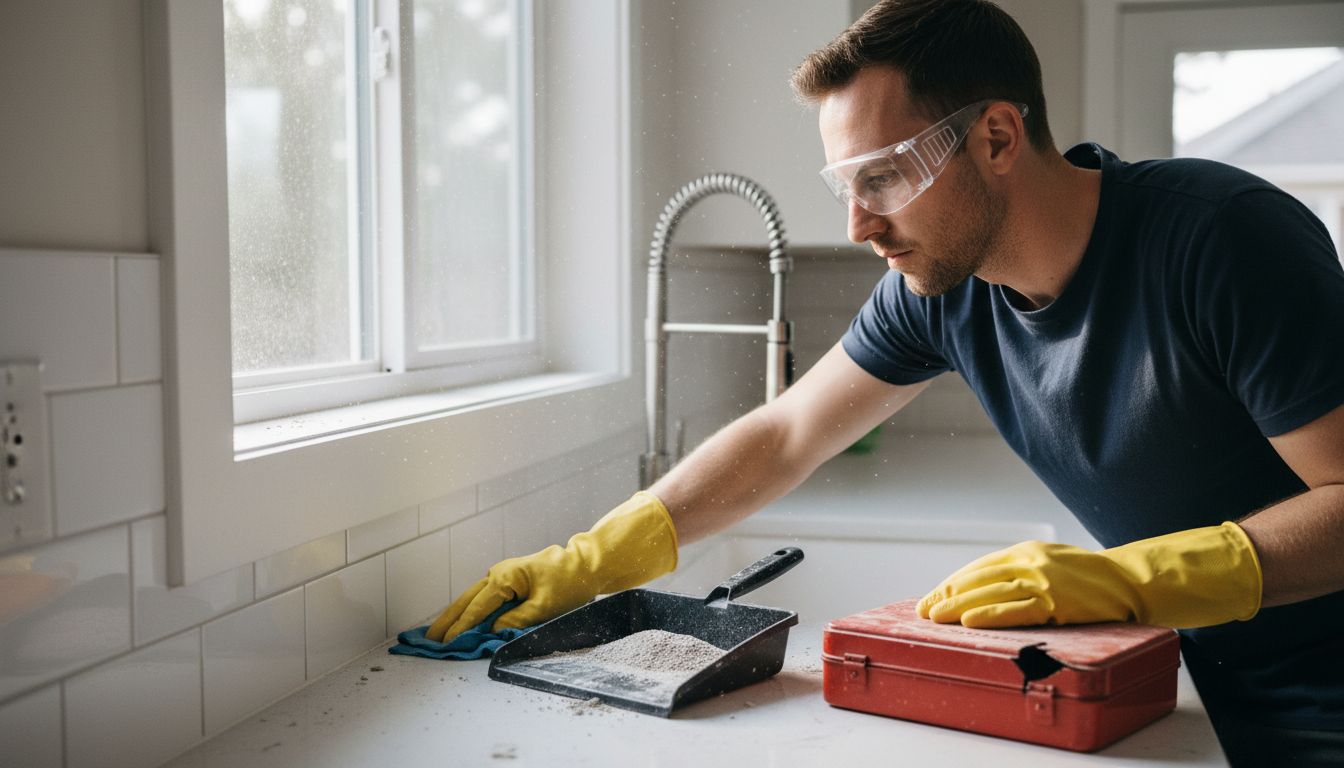
The comprehensive approach of professional cleaners involves multiple strategic processes to neutralise health risks. Advanced filtration systems, specialised cleaning agents, and methodical cleaning protocols are employed to remove microscopic contaminants, neutralise chemical residues, and restore indoor environments to safe, breathable conditions. This process goes beyond surface cleaning, targeting airborne particles, embedded dust, and chemical remnants that standard cleaning methods cannot effectively address. Professionals utilise high-efficiency particulate air (HEPA) filtration, industrial-grade cleaning technologies, and scientifically developed cleaning solutions to ensure thorough decontamination and air quality restoration.
The following table highlights how professional post-renovation cleaning tackles specific hazards compared to standard cleaning methods:
| Challenge Addressed | Standard Cleaning Approach | Professional Cleaning Approach |
|---|---|---|
| Construction Dust | Basic surface wipe | HEPA filtration and advanced dust extraction |
| Chemical Residue | General-purpose cleaners | Specialist agents for paint, adhesive, VOCs |
| Hidden Spaces | Often missed | Diligent cleaning behind/above fittings |
| Air Quality Restoration | No air assessment | Air quality monitoring and targeted decontamination |
| Debris & Sharp Fragments | Manual sweep/collect | Systematic removal with industrial-grade equipment |
Pro Tip - Health Assessment: Request a detailed air quality assessment from your professional cleaning team to understand specific post-renovation environmental risks and ensure comprehensive remediation.
Pro Tip - Ventilation Strategy: Implement thorough ventilation protocols during and after professional cleaning to accelerate the removal of chemical residues and support optimal indoor air quality restoration.
Legal Requirements, Safety Standards And Insurance
Post-renovation cleaning involves complex legal and safety considerations that extend far beyond standard cleaning protocols. Professional cleaning services must navigate a sophisticated landscape of regulatory requirements, health and safety standards, and potential liability issues to ensure comprehensive and compliant restoration of renovated spaces.
Sustainable refurbishment standards mandate specific cleaning methodologies that prioritise environmental performance, occupant health, and legal compliance. These requirements encompass precise waste management protocols, dust control measures, and comprehensive documentation of cleaning processes. Professional cleaning teams must demonstrate rigorous adherence to industry-specific regulations, ensuring that every aspect of post-renovation cleaning meets or exceeds established legal and safety benchmarks.
The technical complexity of post-renovation cleaning necessitates comprehensive insurance coverage and stringent safety protocols. Professional cleaning services are required to maintain extensive liability insurance, employ workers with appropriate safety training, and utilise specialised equipment that meets regulatory standards. Specific cleaning techniques, such as HEPA vacuuming and systematic wet wiping, are mandated to prevent airborne dust contamination and ensure proper waste disposal. These methodical approaches not only protect the health of cleaning personnel but also safeguard the interests of property owners and occupants.
Pro Tip - Documentation Strategy: Maintain comprehensive documentation of cleaning processes, including equipment used, cleaning agents applied, and waste disposal methods, to demonstrate regulatory compliance and protect against potential legal challenges.
Pro Tip - Insurance Verification: Always request proof of comprehensive liability insurance and professional certifications from cleaning services before engaging their post-renovation cleaning services.
Comparing DIY Efforts With Professional Services
Post-renovation cleaning represents a complex challenge that seemingly appears straightforward but conceals numerous intricate technical and practical considerations. While many property owners contemplate managing the cleaning process independently, the reality of comprehensive post-renovation restoration often reveals significant disparities between amateur and professional approaches, particularly in terms of thoroughness, efficiency, and long-term results.
Professional cleaning services dramatically transform the post-renovation cleaning experience by introducing specialised expertise, advanced technological solutions, and systematic methodologies that dramatically outperform typical do-it-yourself efforts. Amateur cleaning attempts frequently overlook critical aspects such as microscopic dust particles, chemical residues, and hard-to-reach areas, whereas professional teams employ sophisticated equipment like industrial-grade HEPA filtration systems, specialised cleaning agents, and comprehensive multi-stage cleaning protocols designed to achieve forensic levels of cleanliness.
The fundamental differences between DIY and professional cleaning extend beyond mere surface appearance, encompassing critical dimensions of health, safety, and long-term property preservation. Professional cleaning services bring substantial advantages including comprehensive risk assessment, precise waste management, targeted contaminant removal, and documentation of cleaning processes. They possess nuanced understanding of material-specific cleaning requirements, ensuring that delicate surfaces are treated appropriately without risking damage, while simultaneously addressing potential health hazards that untrained individuals might inadvertently overlook or mismanage.
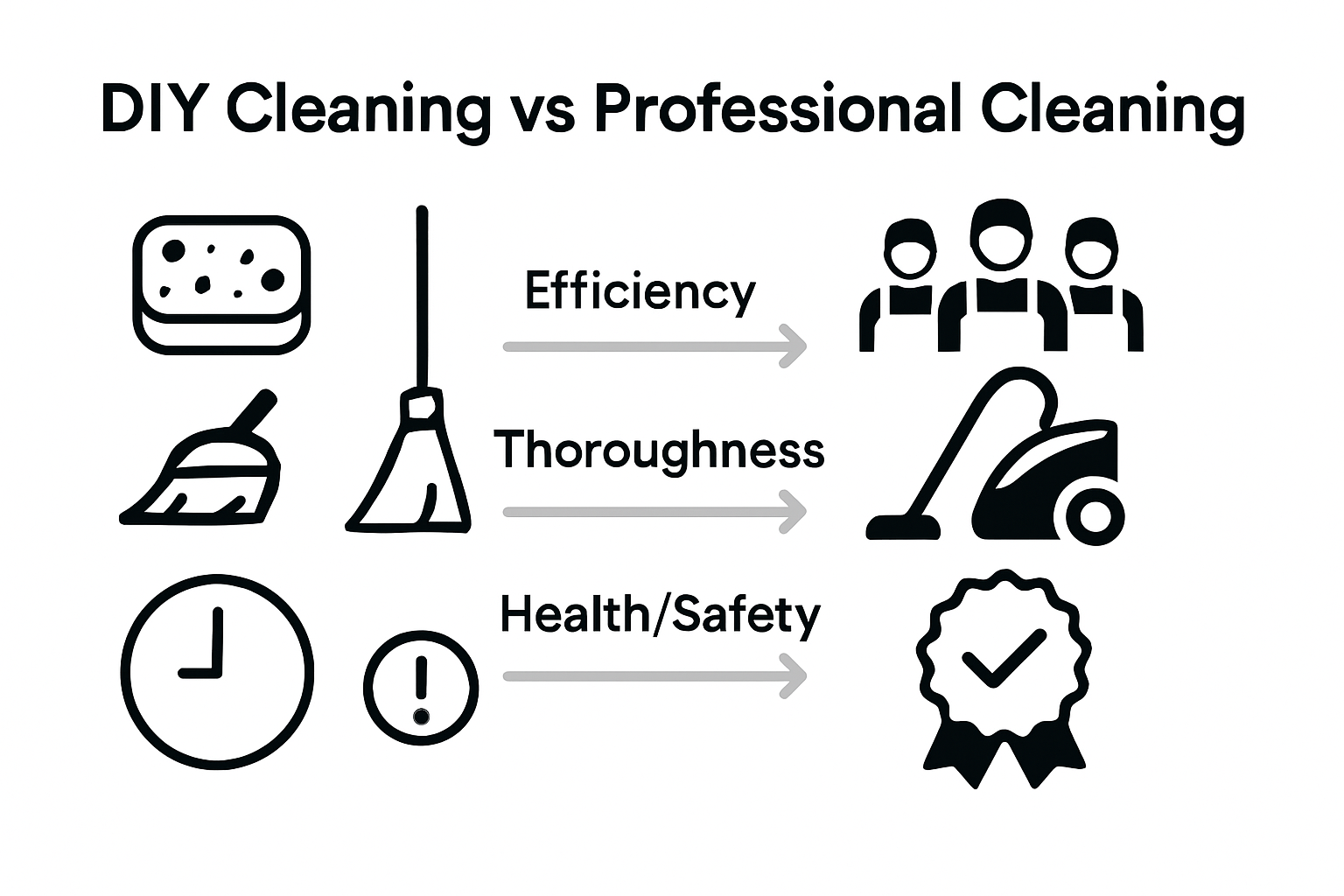
Below is a comparative summary of DIY and professional post-renovation cleaning outcomes:
| Aspect | DIY Cleaning | Professional Cleaning |
|---|---|---|
| Thoroughness | Misses microscopic dust and residues | Forensic-level, multi-stage methods |
| Health Risk Mitigation | Inconsistent, lacks VOC control | Targeted removal of harmful substances |
| Time Investment | High, labour-intensive | Rapid and highly efficient |
| Long-term Costs | Higher risk of damage or oversight | Reduces maintenance and repair costs |
| Documentation | Rare or informal | Full compliance and safety records |
Pro Tip - Capability Assessment: Critically evaluate your own technical skills, available time, and specialized equipment before attempting post-renovation cleaning independently, recognising that professional services often provide more comprehensive and cost-effective solutions.
Pro Tip - Cost Comparison: Calculate the total expenses of DIY cleaning, including equipment rental, specialised cleaning agents, potential surface damage, and personal time investment, to make an informed comparison with professional service quotes.
Ensure a Spotless and Healthy Environment After Your Renovation
Post-renovation cleaning is not just about tidying up visible dust and debris. This article highlights the critical challenges such as eliminating harmful construction dust, chemical residues, and improving indoor air quality that require specialist knowledge and equipment. If you want to avoid health risks, lingering dirt, or costly damage to your property, professional expertise is essential. At HARC Solutions, we understand these complexities and offer meticulously tailored cleaning services that meet stringent safety standards and deliver pristine, move-in ready spaces.
Ready to experience thorough post-renovation cleaning performed by trained, insured professionals trusted by landlords, estate agents, and developers alike? Visit HARC Solutions to explore our after-build and renovation cleaning services and book a consultation today. Act now to protect your investment and ensure a safe, fresh start after construction completes.
Frequently Asked Questions
What is post-renovation professional cleaning?
Post-renovation professional cleaning is a specialised service that prepares recently renovated or constructed spaces by removing dust, debris, and hazardous materials to create a clean, move-in ready environment.
Why is professional cleaning necessary after renovations?
Professional cleaning is necessary after renovations because it effectively eliminates harmful construction residues, microscopic dust, and chemical compounds that can compromise indoor air quality and pose health risks to occupants.
How does professional cleaning differ from standard cleaning methods?
Professional cleaning differs from standard methods by employing advanced equipment and specialised cleaning techniques, such as HEPA filtration and the spray-and-vac cleaning technique, to address complex cleaning challenges that typical approaches cannot manage.
What are the potential health risks associated with uncleaned post-renovation spaces?
Uncleaned post-renovation spaces can harbour dangerous elements like volatile organic compounds (VOCs), construction dust, glass fragments, and chemical residues that can lead to respiratory issues, skin irritations, and long-term health complications.